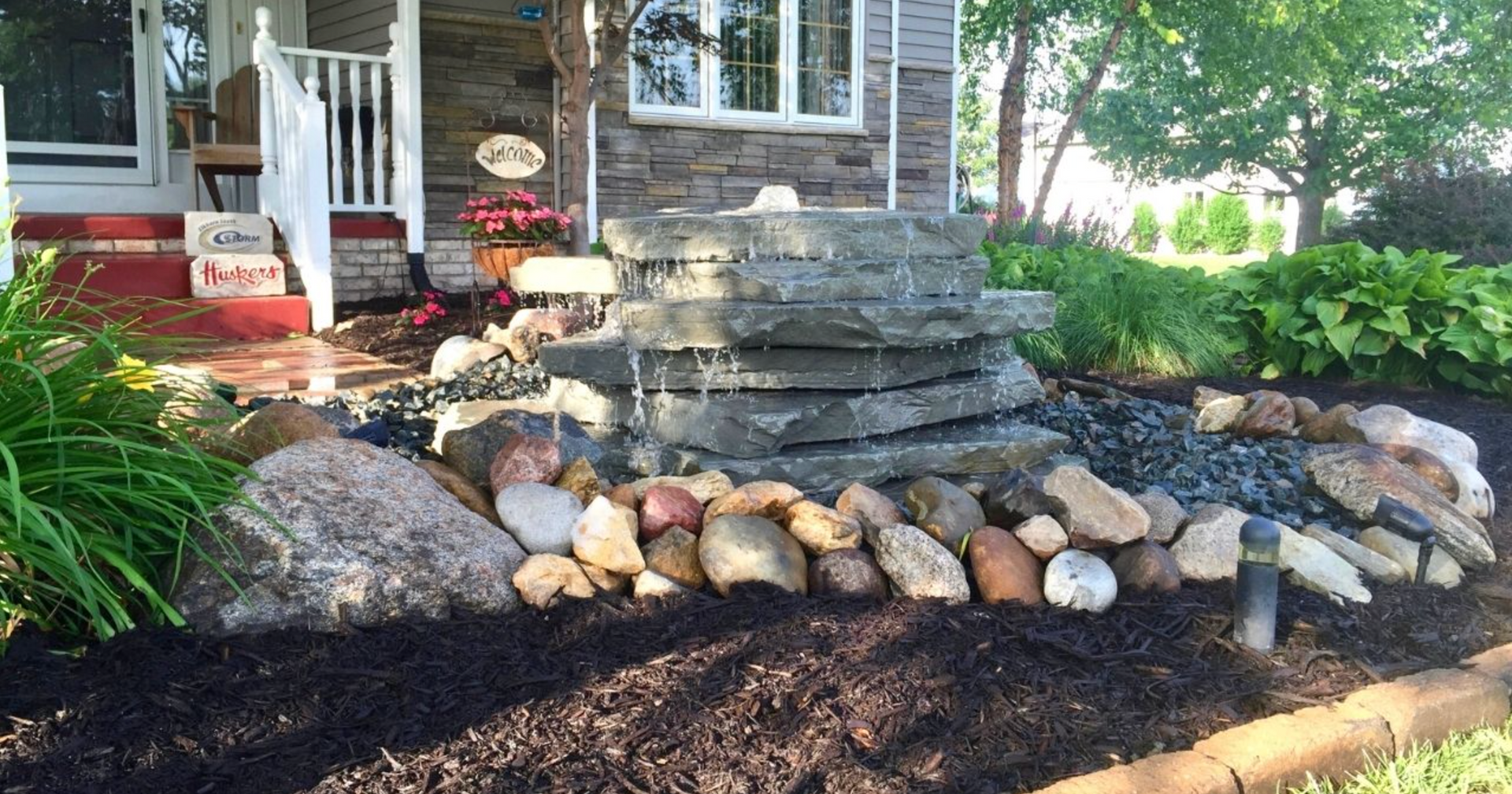

Stone Accents That Stay Where They're Placed
Rock features in Boulder for decorative installations that resist wind displacement and weather movement
AK StoneWorx anchors decorative stone accents and natural rock installations using hidden anchoring methods that keep features in place through Colorado windstorms and seasonal weather. Rock features in Boulder, Golden, Lyons, Denver, Conifer, and Loveland are built with storm-tested installation techniques that prevent shifting, tipping, or movement even when sustained winds exceed 40 miles per hour. You see natural-looking stone placements that function as permanent landscape elements instead of decorations that require repositioning after each major weather event.
Professional rock installation involves assessing soil stability at each placement site, excavating to firm base layers, setting anchoring systems below grade to secure large stones without visible hardware, and positioning rocks to resist wind loads and ground movement. Hidden anchoring uses subsurface methods that stabilize features without compromising the natural appearance of stone in the landscape, and each placement is tested for stability before backfilling and finish grading.
Schedule a property evaluation to identify placement sites and discuss stone selection for your landscape.
The Difference Between Placement and Installation
Basic placement sets stone on existing grade without anchoring, which allows large rocks to shift when soil erodes or frost heave occurs during freeze-thaw cycles. Professional installation excavates to stable soil layers and uses anchoring techniques that transfer wind loads and ground movement into the subsurface instead of allowing the stone to tip or roll. Storm-tested methods include angled base cuts that increase contact area with the ground and subsurface bracing that resists lateral forces from wind or slope movement.
After installation, your rock features remain in position through windstorms, snowmelt runoff, and freeze-thaw cycles without tilting or sinking into softened ground. Stones appear naturally placed in the landscape because anchoring systems are concealed below grade, and surrounding soil grades away from each feature to prevent water pooling that causes erosion and instability over time.
AK StoneWorx uses permanent placement techniques with a focus on lasting installations that perform through Colorado weather. The expert team is trained in anchoring methods that accommodate rock size, placement angle, and site-specific wind exposure, and each project includes post-installation grading to direct drainage away from stone bases.
Questions Before Starting Your Project
Homeowners in the Boulder area considering rock features often ask about anchoring systems, stone sourcing, and long-term stability before finalizing their landscape plans.
What causes decorative rocks to shift in Colorado landscapes?
Rocks shift when wind loads exceed the stone's resistance to tipping, when freeze-thaw cycles heave soil beneath the base, or when erosion removes supporting material around the placement site during heavy runoff events.
How are large rocks anchored without visible hardware?
Large rocks are anchored using subsurface bracing, angled base cuts that increase ground contact, and excavated pockets filled with compacted material that lock the stone in position below the visible grade line.
When should rock features be installed during the landscaping process?
Rock features are installed after grading and drainage work is complete but before final planting, which allows equipment access for heavy stone placement without damaging established vegetation or completed hardscape areas.
Why do some rock installations fail within the first year?
Installations fail when stones are set on unstable soil without excavation, when anchoring systems are omitted to save time, or when drainage around the feature directs water flow that erodes base material and destabilizes the placement.
How is stone selected for Colorado wind conditions?
Stone selection considers weight-to-height ratio, base width, and center of gravity to ensure that each piece resists wind loads common to the Boulder area without requiring excessive subsurface anchoring.
AK StoneWorx installs rock features with hidden anchoring and permanent placement methods that withstand Colorado weather. The team is licensed and insured with proven techniques for storm-resistant installations. Contact (435) 359-6000 to discuss stone options and site-specific placement strategies for your property.